






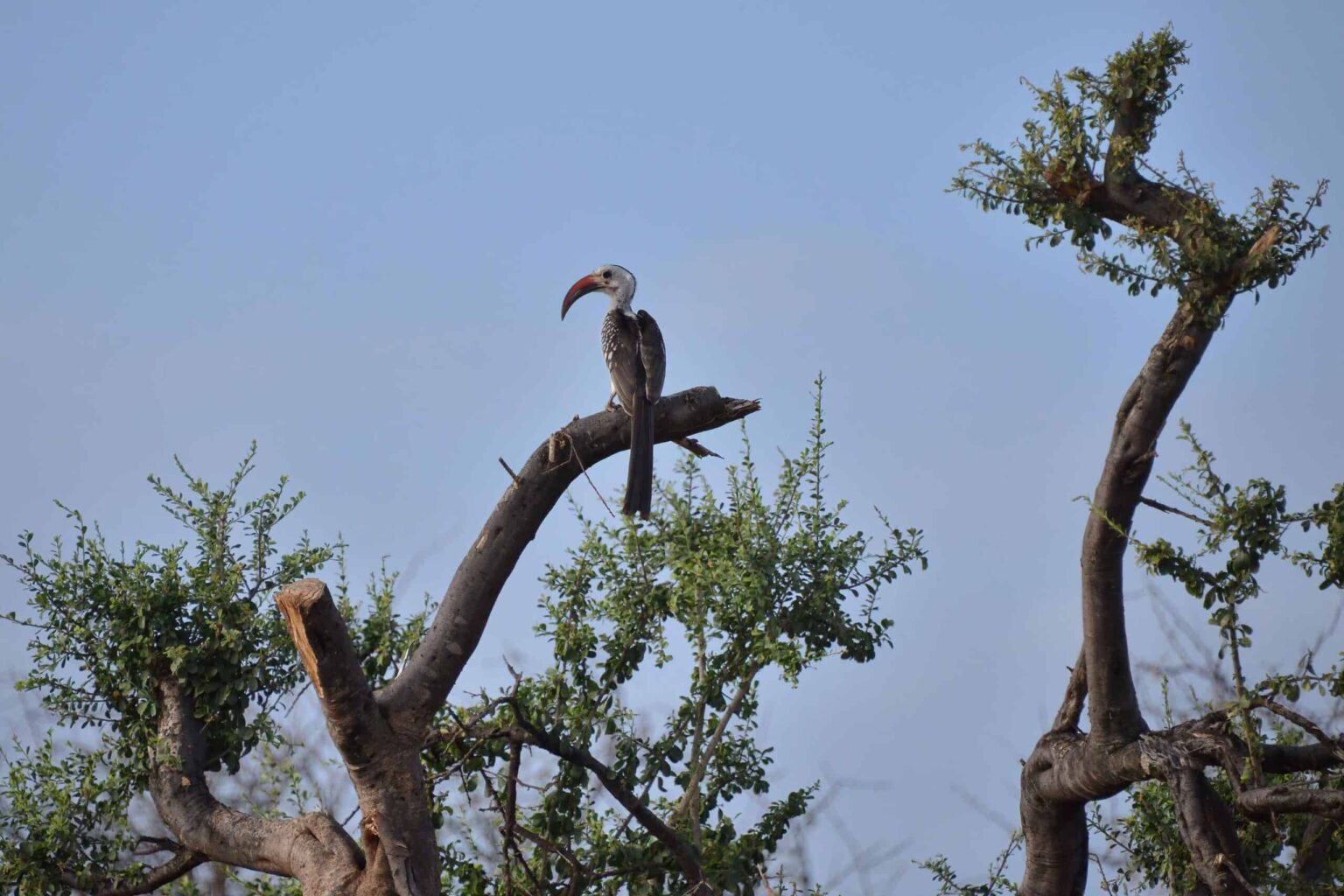
The exploitation of African hornbills is rising far faster than the birds can recover—a serious concern given that these giant-beaked birds play a significant role in forest health. Seed-dispersing hornbills breed slowly, take years to reach sexual maturity and produce few chicks, making them vulnerable to overharvesting.
In response to the growing concerns, countries participating in the Convention on International Trade in Endangered Species of Wild Fauna and Flora (CITES) unanimously agreed to list two hornbill genera, Ceratogymna and Bycanistes, on Appendix II. The listing will cover nine species and strengthen international trade monitoring.
The CITES listing comes as hunters across West and Central Africa say demand for hornbill heads has surged from both domestic and foreign buyers, a trend conservationists only began noticing in recent years. Some of this pressure comes from the demand for hornbill heads in traditional West African vodun ritual.
Overseas demand is also growing—U.S. import records show a sharp rise in African hornbill shipments since 2023, and online marketplaces in the U.S. and Europe advertise hornbill skulls as “legal” or “sustainable.”
Read more about the African hornbill trade in the Yale Environment 360.
Article by The Wildlife Society