
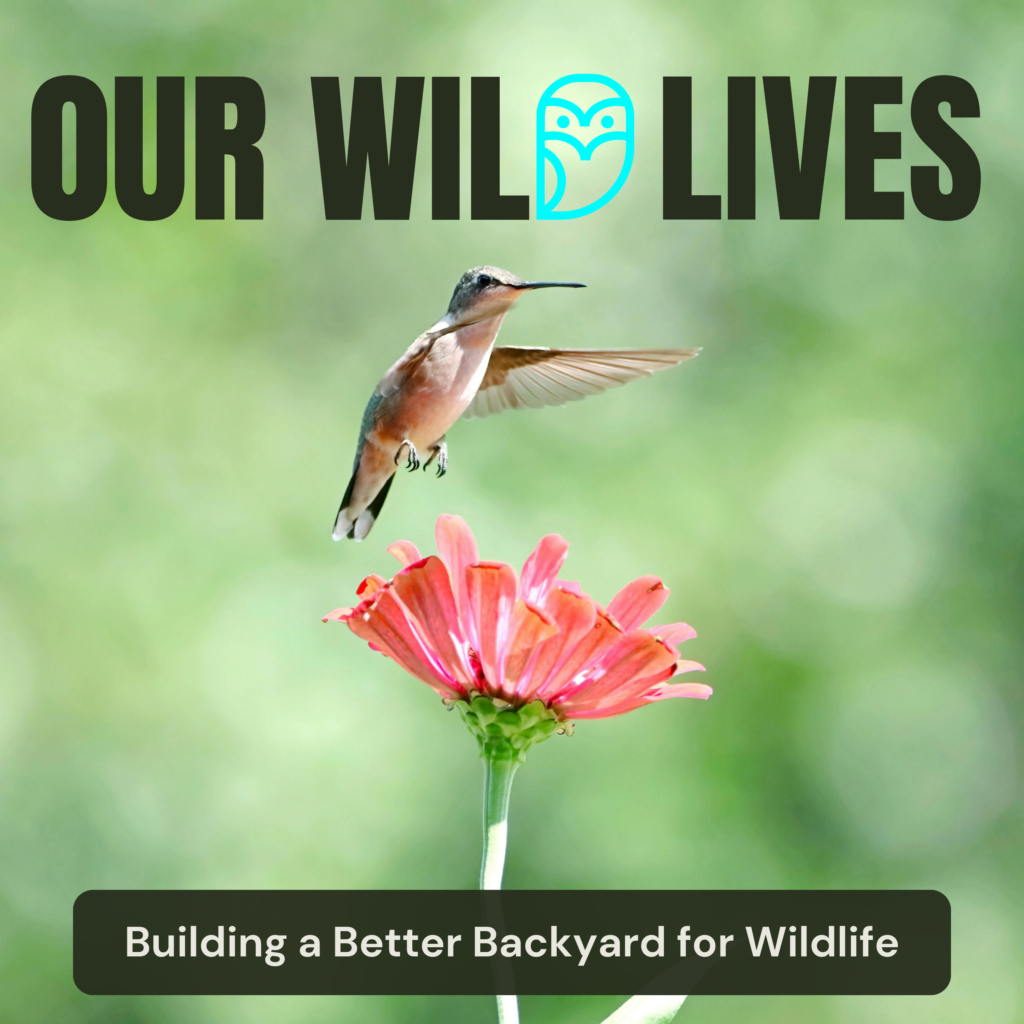



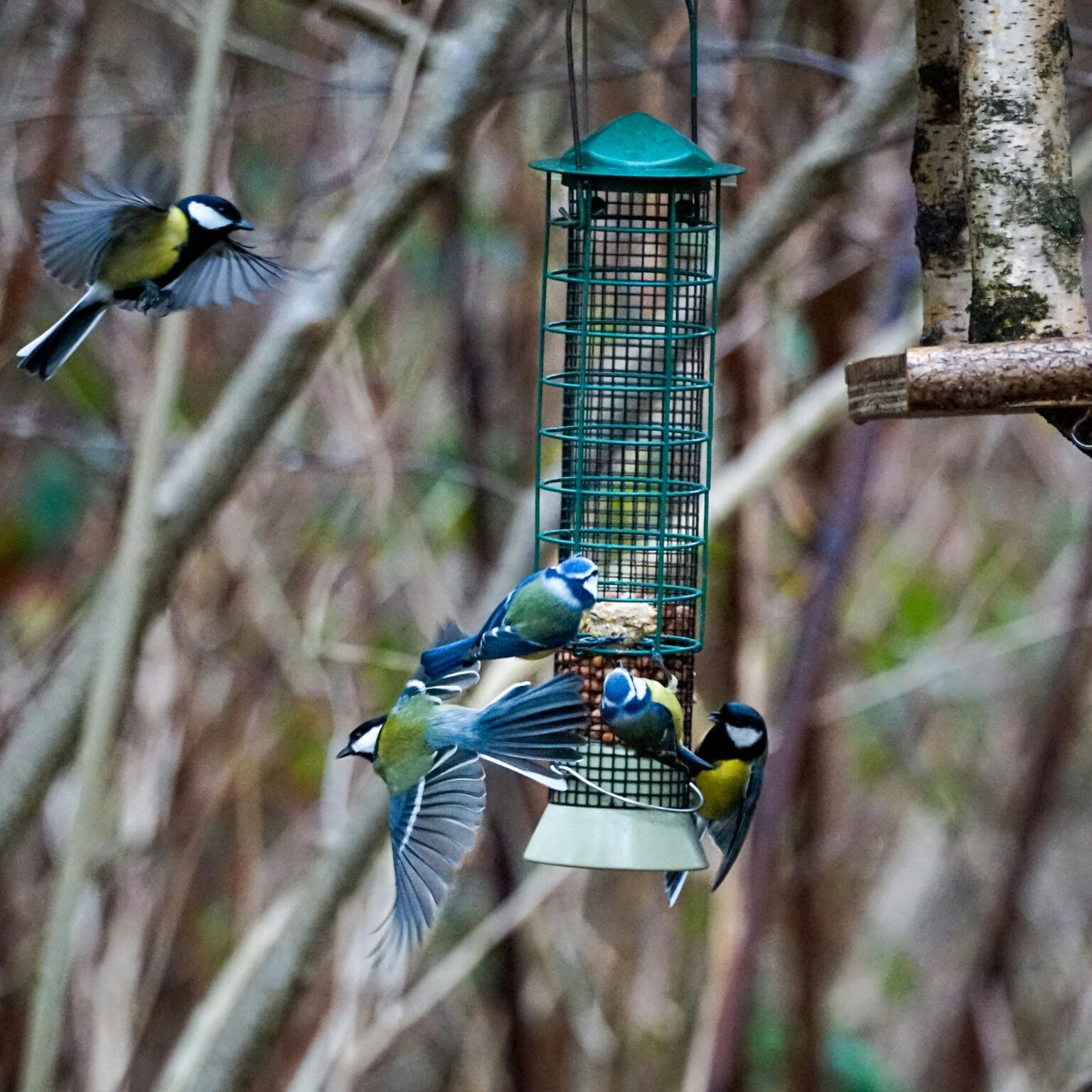
Just like sharing food at a busy restaurant, crowded bird feeders can be a hot spot for spreading disease. While songbirds across North America usually forage in the forest, pine cone shortages push them into cities. But these large flocks can quickly spread germs like the Salmonella bacterium, getting not only birds sick but also potentially spreading the disease to humans, pets and poultry. By the time researchers detect the outbreaks, it’s often too late to stop them. But a team at the University of California, Los Angeles (UCLA), is developing a new tool to predict these outbreaks so backyard birders can take down their feeders—potentially ground zero for the outbreaks—when disease is more likely. The model takes into consideration climate patterns and pine cone production as well as conditions for birds, including irregular movement patterns and disease outbreaks. “We don’t want people to stop feeding birds, so we’re trying to develop a tool that will predict when there will be millions of extra birds flooding urban bird feeders so people can temporarily take them down,” said Morgan Tingley, the lead author of the paper and a professor of ecology and evolutionary biology at UCLA.
Read more at UCLA Newsroom.