



Share this article
Wildlife Featured in this article
- Columbian white-tailed deer
- Key deer
- Rocky Mountain elk
- Roosevelt elk
Elk less vulnerable to CWD may shield rare deer subspecies
Around half of the state’s elk are less susceptible to chronic wasting disease
Chronic wasting disease hasn’t yet snuck past the Idaho-Oregon border, and scientists are concerned about how it will impact the state’s rare Columbian white-tailed deer.
“We think they’re basically sitting ducks for chronic wasting disease (CWD),” said Al Roca, a professor of animal sciences at the University of Illinois Urbana-Champaign.
But new research reveals that elk in the region with advantageous versions of a certain gene may slow the spread of the deadly illness, giving some protection for the more vulnerable deer.
Natural protection
Since its discovery in 1967, experts have found CWD in free-ranging cervids in 36 U.S. states and four Canadian provinces. A misfolding in the prion protein causes the fatal, highly contagious disease. While scientists don’t know exactly the purpose that healthy prions serve, they are distributed throughout the body and are especially concentrated in the brain and central nervous system. When a healthy cervid comes in contact with a misfolded prion, its own prions begin to change shape as well. “That leads to a runaway misfolding reaction,” Roca said. “It’s a very unusual disease.”
But cervids with a certain genetic mutation in the prion gene are less vulnerable to CWD. This is caused by just one change in an element of the animal’s genetic code, called a single nucleotide polymorphism (SNP). The SNPs rewrite the genetic code, sometimes yielding a slightly different prion protein. Scientists think that the prion protein can still function properly but is less likely to misfold when it comes in contact with an infectious prion. “Those SNPs can change how likely the animal is to get CWD,” said Yasuko Ishida, a research scientist also at the University of Illinois Urbana-Champaign and lead author on the study.
Slowing the spread
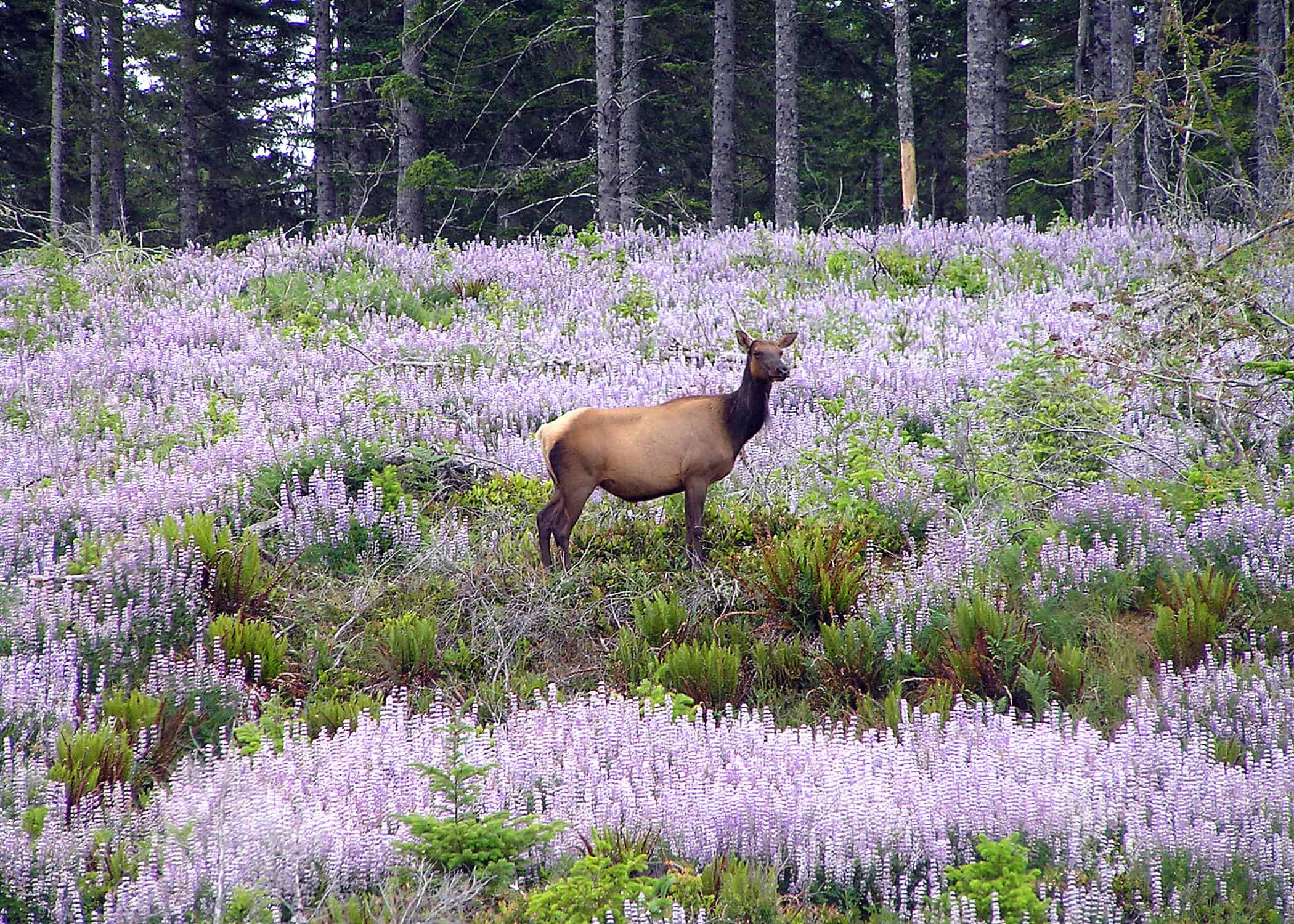
In a new study published in the Journal of Heredity, Ishida, Roca and their colleagues studied the genetics of Rocky Mountain (Cervus canadensis nelsoni) and Roosevelt elk (C. canadensis roosevelti). A little less than half of Oregon’s elk carry the protective mutation, which is a high percentage compared to elk populations nationwide.
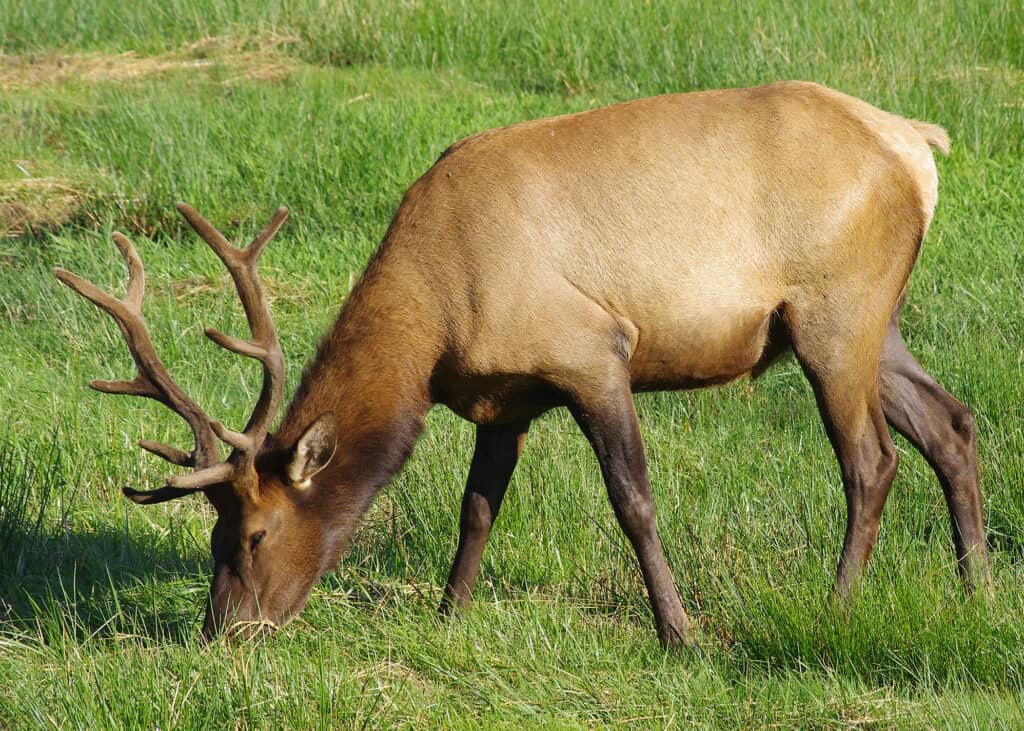
Researchers found that 49% of Rocky Mountain elk and 42% of Roosevelt elk carried at least one copy of the advantageous gene. The prevalence of advantageous SNPs in Oregon was relatively high compared to other populations, “but not likely high enough to keep CWD from spreading once it’s introduced,” Roca said. “Half the animals are still quite vulnerable to CWD.” The study also provides a baseline to track the prevalence of the advantageous prion gene if CWD ever gets introduced into the state.
While the mutation doesn’t make the animals fully resistant, the incubation period is longer. And CWD hasn’t been detected in Columbian white-tailed deer (Odocoileus virginianus leucurus), which were once federally endangered but are now listed as threatened and live in western Oregon and Washington. But the subspecies is entirely genetically unprotected. The elk that are genetically protected and live in the area might still buy the subspecies time, taking longer to pass the disease from the Idaho border to the western edge of the state where the rare deer live.
Researchers have also been looking into other white-tailed deer subspecies, like Key deer (Odocoileus virginianus clavium) in Florida. Unlike the Columbian subspecies, Key deer have high rates of the advantageous genes. “Depending on the population, the frequency of SNPs are very different,” Ishida said.
In terms of keeping CWD out of Oregon, Ishida said the disease is difficult to control, but there are a few things people can do, like not translocating deer or elk from other states or infected areas.

Header Image: Oregon is home to several species of cervids, including two subspecies of elk. Andrea Hansen/Oregon Department of Fish and Wildlife
Related Posts
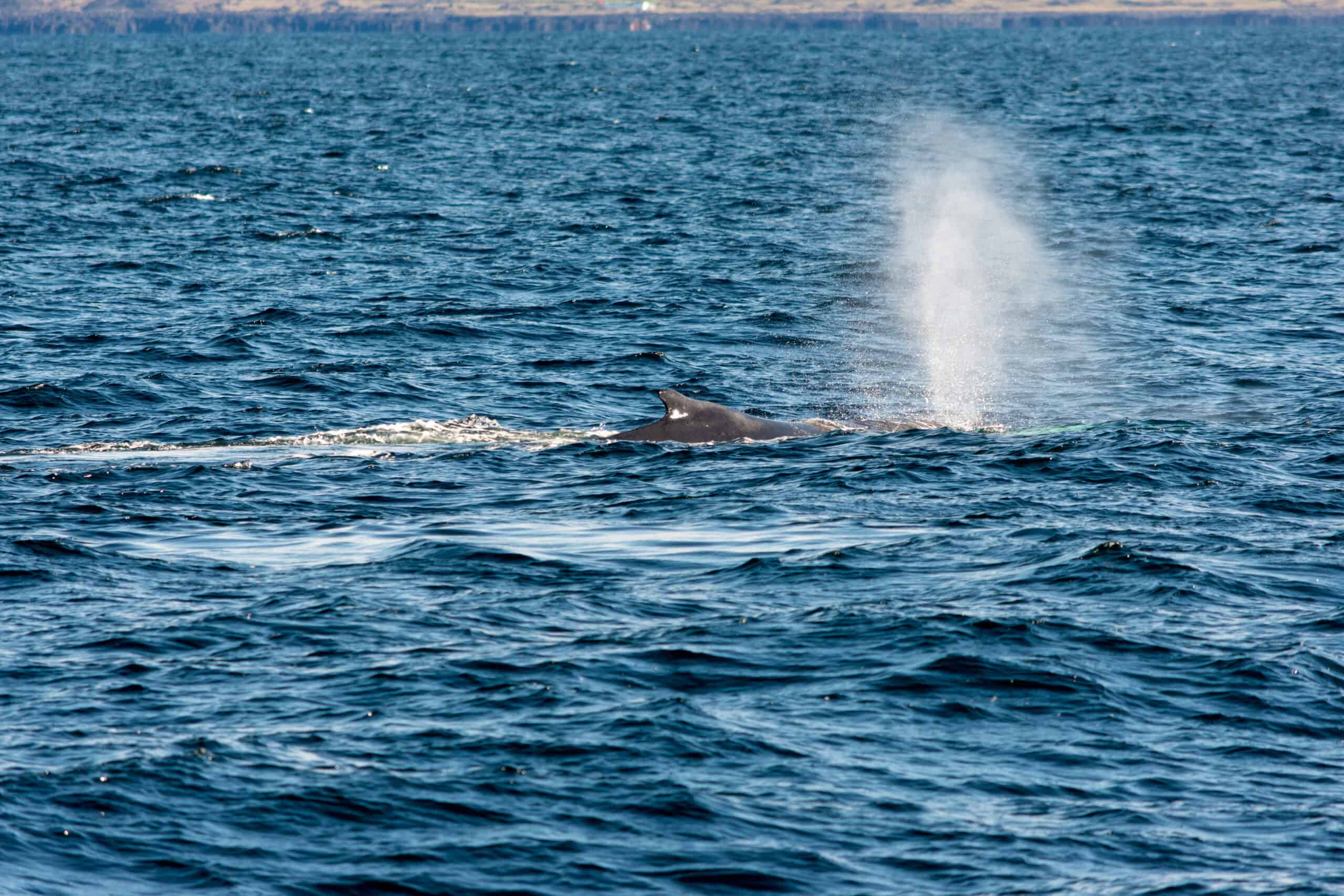
Potentially lethal virus detected in Arctic whales
By using drones, scientists collect water from the whale spouts
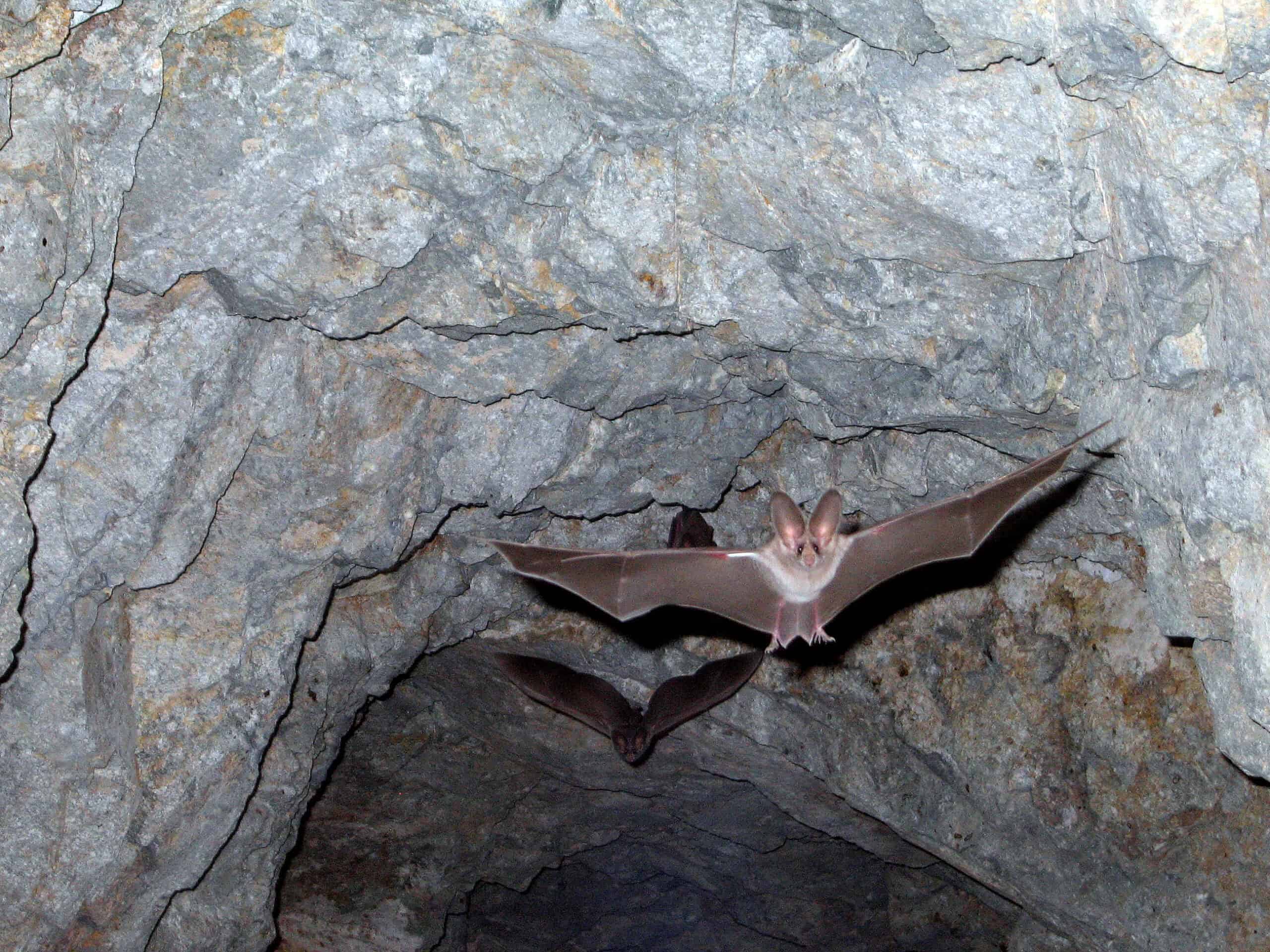
Parks service reports first case of WNS in Nevada
The deadly fungal disease continues to spread westwards
COVID caused boom in eagle population
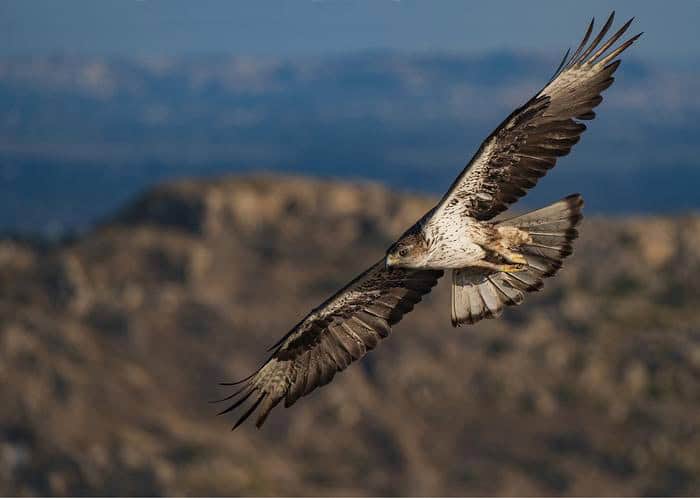
Bonelli’s eagle populations have experienced a boom in parts of Spain