

Share this article
Wildlife Featured in this article
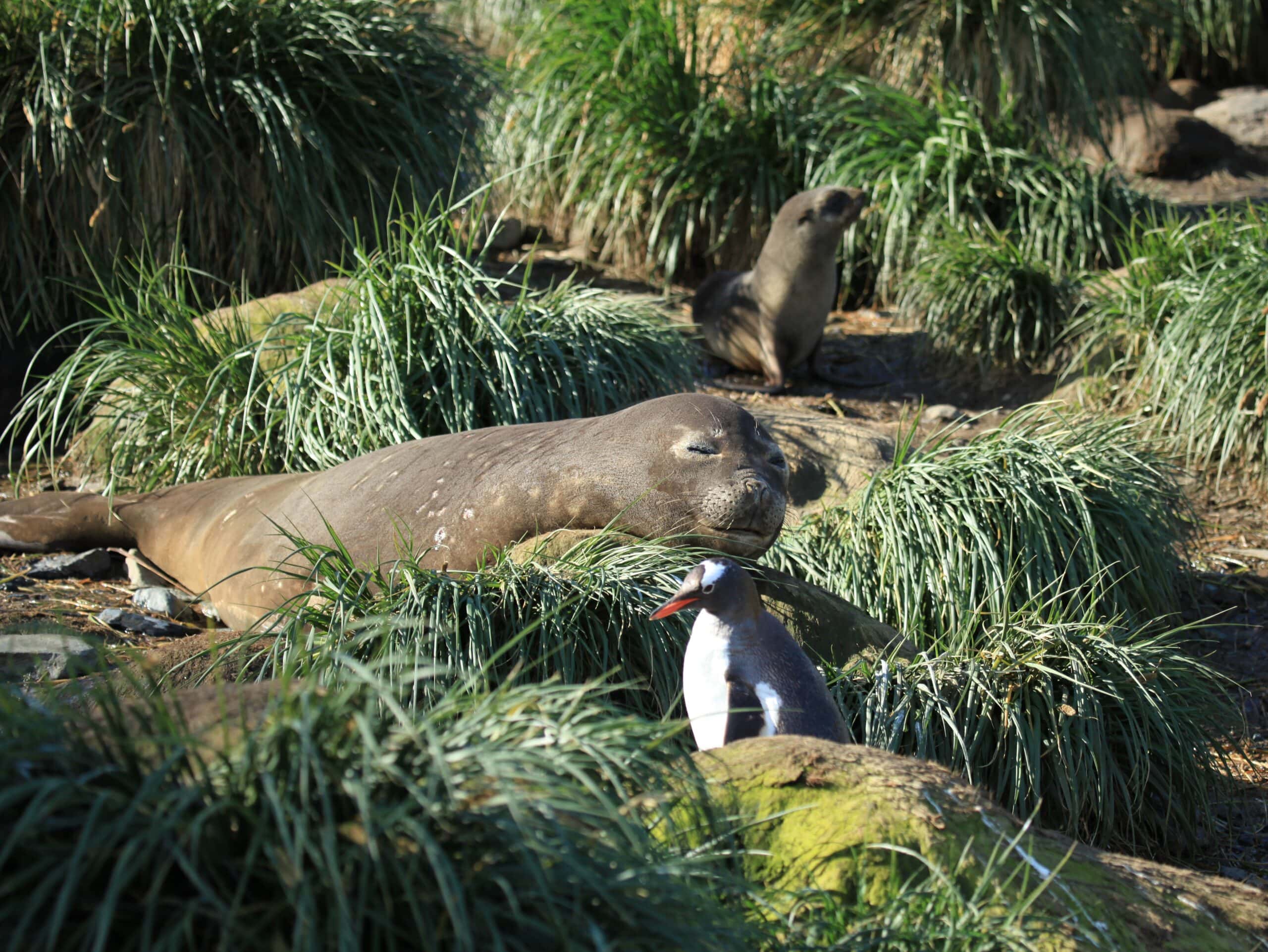
- Southern elephant seal
Avian flu cuts through elephant seal numbers
Virus may have caused loss of 50% of breeding females
The bird flu has caused a massive loss in breeding females in the world’s largest populations of southern elephant seals on a remote island in the South Atlantic.
Highly pathogenic avian influenza (HPAI) is deadly to birds and other animals, causing widespread wildlife deaths around the world. HPAI’s arrival on South Georgia in 2023 appears to have severely impacted the island’s largest southern elephant seal (Mirounga leonina) population.
Researchers used drone surveys to count elephant seals at three South Georgia beaches during the 2022 breeding season, before the virus arrived, and again in 2024, after HPAI had spread then estimated the impact on the entire island’s population.
Breeding females were the focus of the study because they maintain the population’s reproductive capacity and care for the next generation. Losing large numbers of breeding females in a species with late sexual maturity can threaten long-term population stability.
At the three monitored beaches, researchers observed a nearly 50% drop in breeding females between 2022 and 2024. Scaled to the entire island, this suggests that roughly 53,000 females were absent during the 2024 breeding season, representing a 33.7% decrease from projected numbers for South Georgia
Although several hypotheses could explain this decline, the timing of HPAI’s arrival and its spread in the elephant seal population, alongside the sharp drop in numbers, the authors stated, “is too pronounced to be coincidental.”
Read more in Communications Biology.

Header Image: A bird flu outbreak in the Argentinian Valdés population of southern elephant seals caused a pup mortality rate of 97%. Credit: Liam Quinn
Related Posts
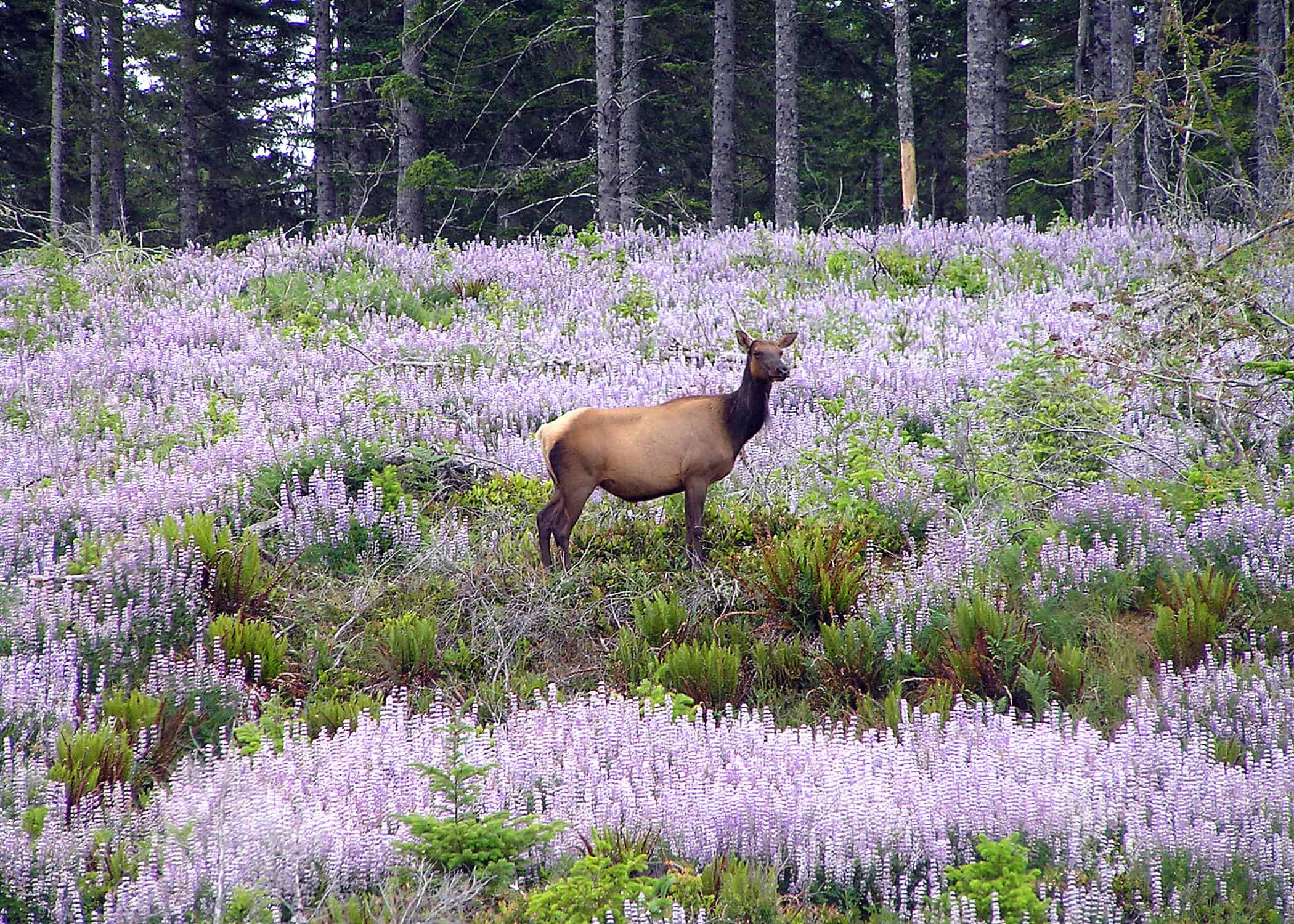
Oregon elk genetics may shield rare deer subspecies from CWD
Around half of the state’s elk have genes associated with lower susceptibility to chronic wasting disease
Potentially lethal virus detected in Arctic whales
By using drones, scientists collect water from the whale spouts
Parks service reports first case of WNS in Nevada
The deadly fungal disease continues to spread westwards