


Your message has been sent

The Wildlife Society Annual Meeting: A Visual Blog
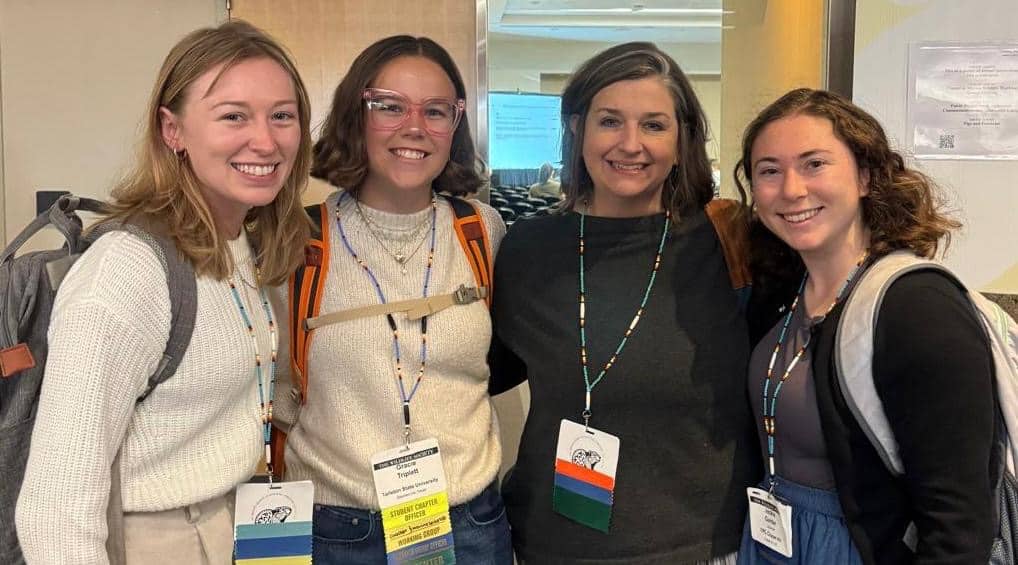
Left to right: Amanda, Gracie, Stephanie, Jackie 🤩
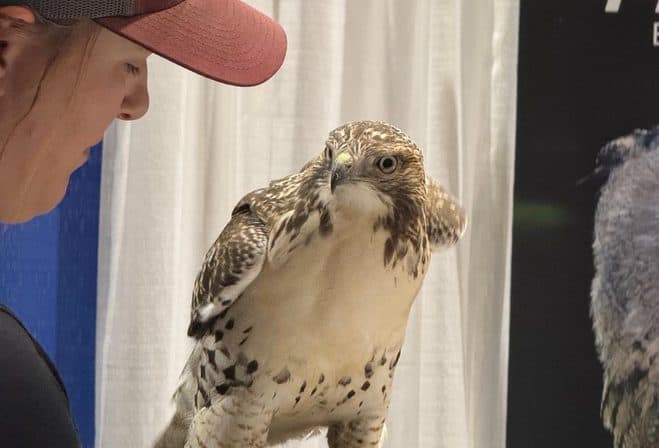
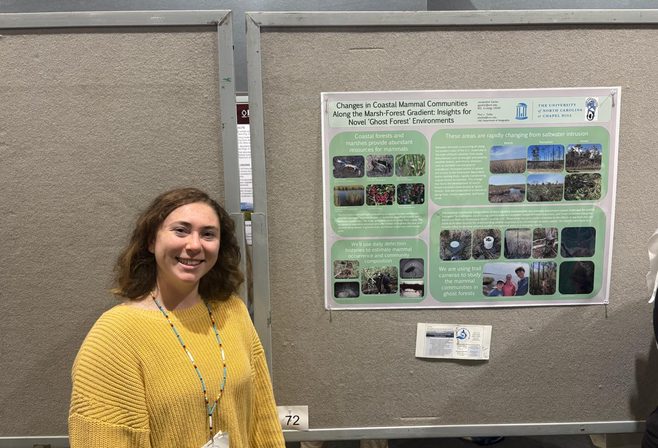
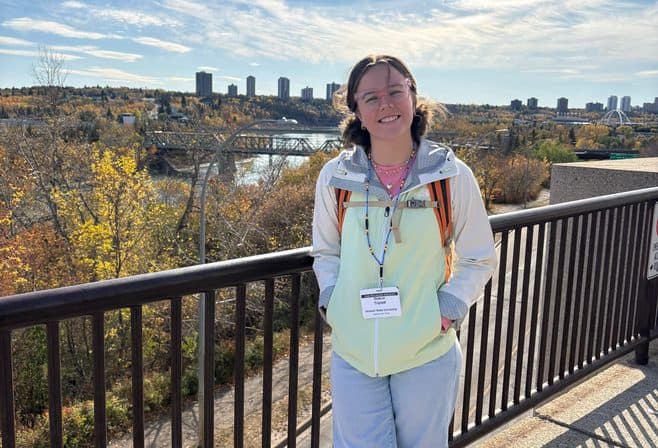
Steph with a fish-eating bird 🐟; Jackie with her marsh mammal poster 🌿; Gracie at the Convention Center. ⭐
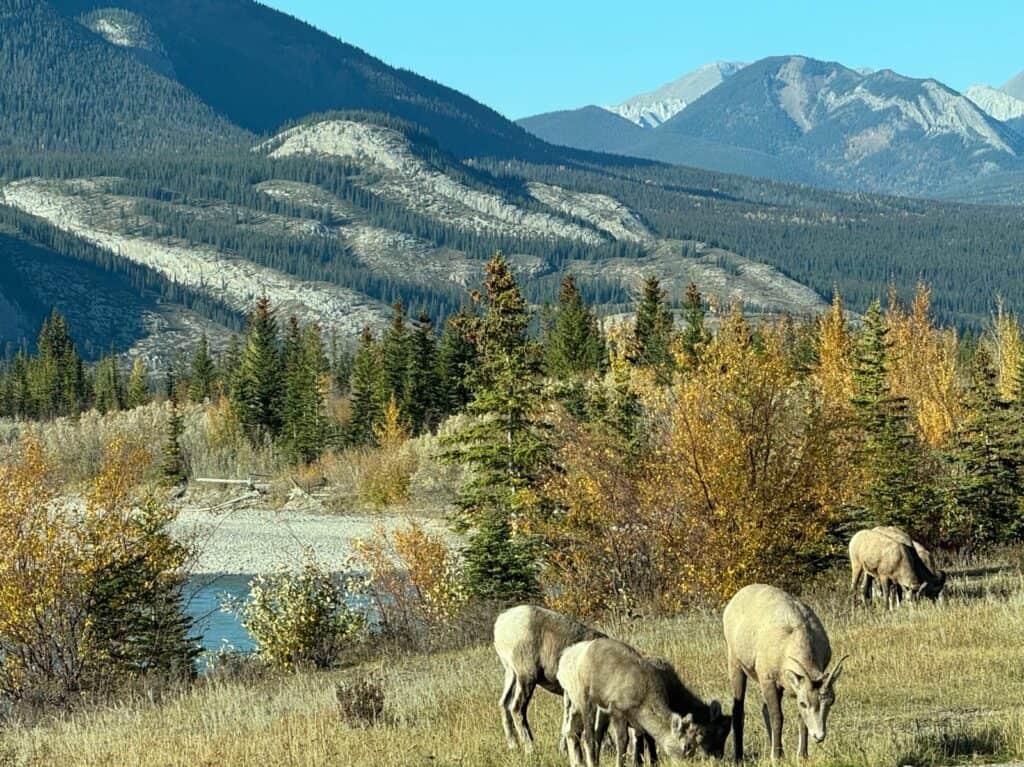

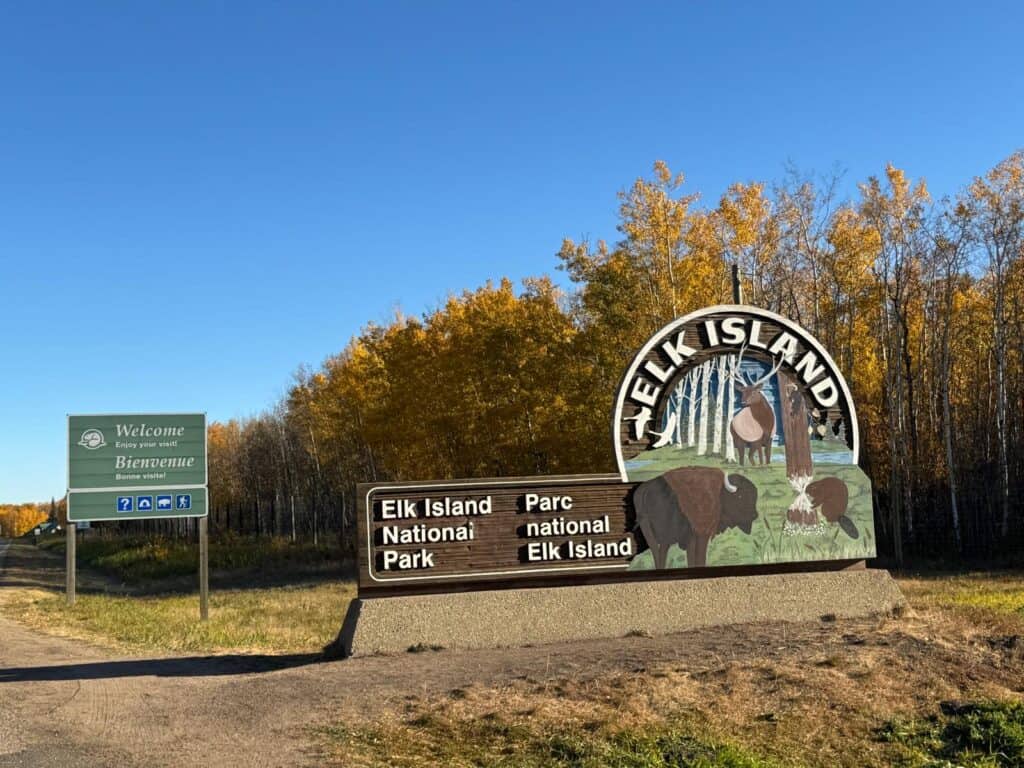
Elk Island NP; bison and fall weather; Jasper NP (Stephanie) 🍂

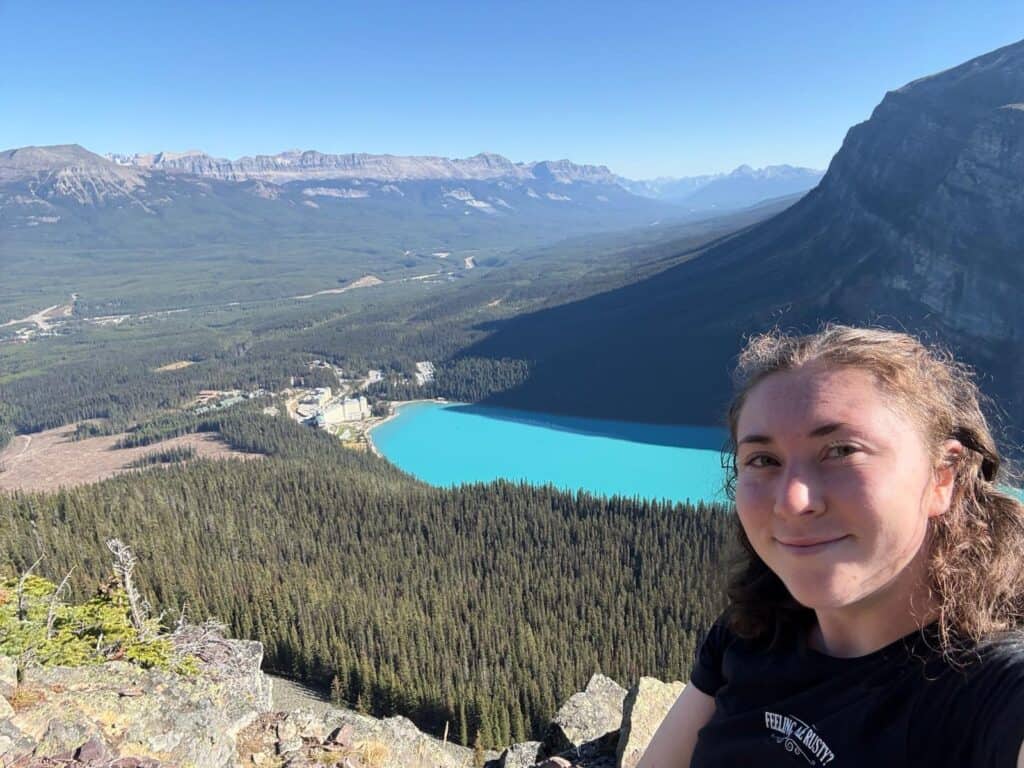
Calgary Olympic Par (Stephanie); Banff NP (Jackie)
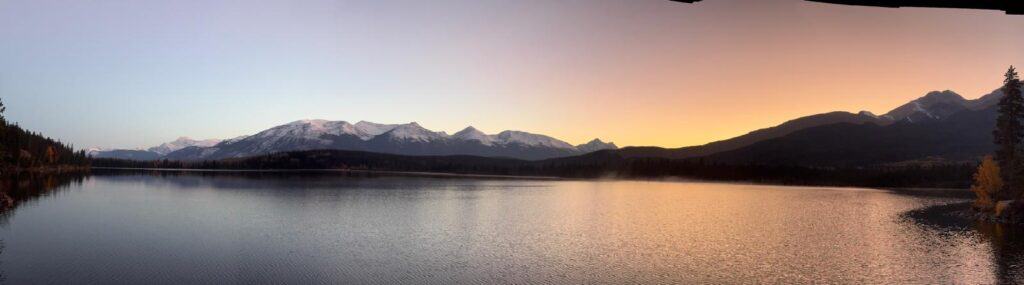
Sunset at Pyramid Lake, Banff National Park (Stephanie)
Discovering Wildlife in Changing Coastal Landscapes
By Jacqueline Ganter
MS Student, Website Manager
08/11/2025
This summer, I had the incredible opportunity to venture into the coastal marshes, forests, and the unique “ghost forests” of North Carolina’s Albemarle-Pamlico Peninsula. These ecosystems support a range of mammals we might not always associate with coastal areas—everything from tiny rice rats and marsh rabbits to majestic black bears and white-tailed deer. These animals depend on a rich food web sustained by the wetlands’ vegetation and aquatic life.
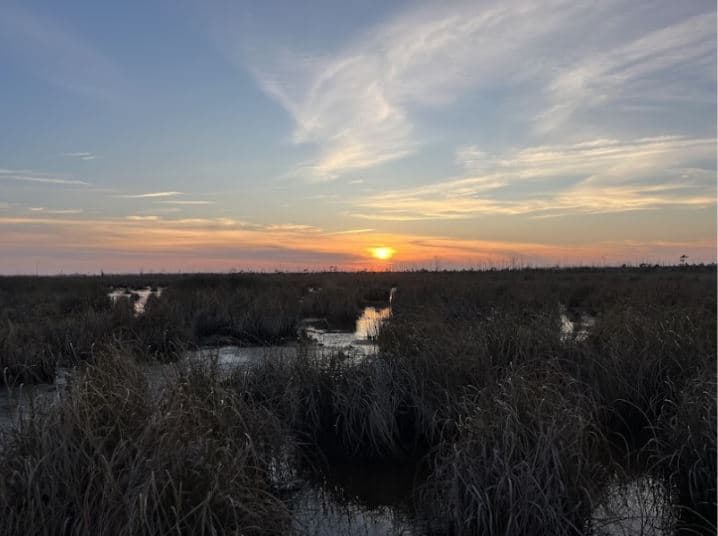
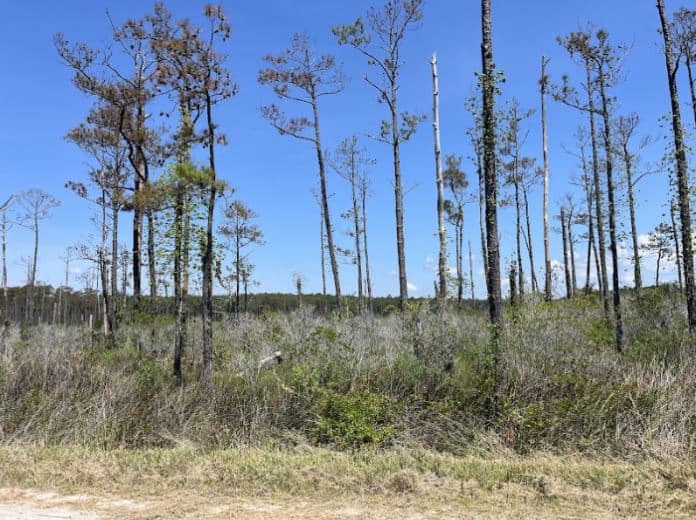
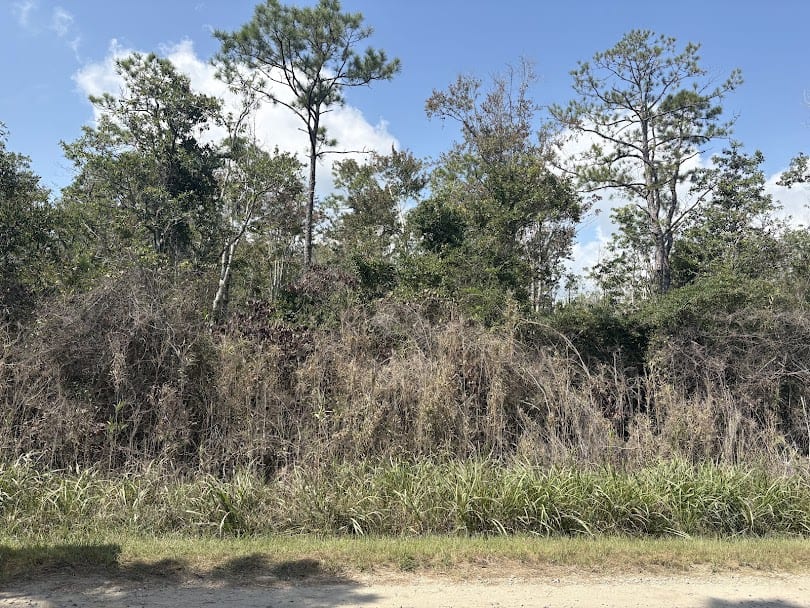
However, these landscapes are undergoing rapid and profound changes. Rising sea levels, altered hydrology, land use, and climatic disturbances like drought and fire are impacting soil salinity, causing marshlands to flood and convert into open water. Meanwhile, forests are becoming wetter and increasingly salty, leading to the formation of “ghost forests,” where dying trees intermingle with marsh vegetation. This creates a novel ecosystem whose effects on the resident mammals are only beginning to be understood (picture above).
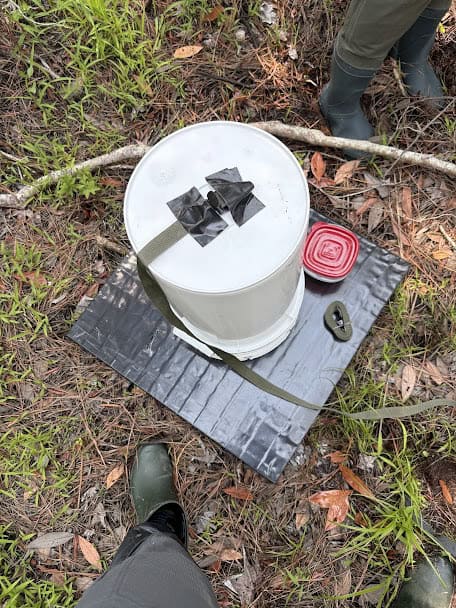
To learn more about how wildlife are adapting to these shifts, two undergraduate students from UNC Chapel Hill, Ben Van Duin and Dylan Smith, as well as my advisor and fellow CMWG member Dr. Paul Taillie, joined me this summer in deploying camera traps throughout marshes, forests, and transitional zones. These motion-activated cameras capture mammals moving through the area, giving us a window into their lives. We used two types of cameras: standing traps for medium to large mammals and baited bucket traps for smaller rodents.
Navigating these difficult terrains—muddy holes, briars, and biting insects—was definitely a challenge, but the rewards were plenty. We have already captured images of a diverse array of creatures including muskrats, raccoons, coyotes, and black bear. Each snapshot adds a piece to the puzzle of understanding how these animals use these changing habitats.
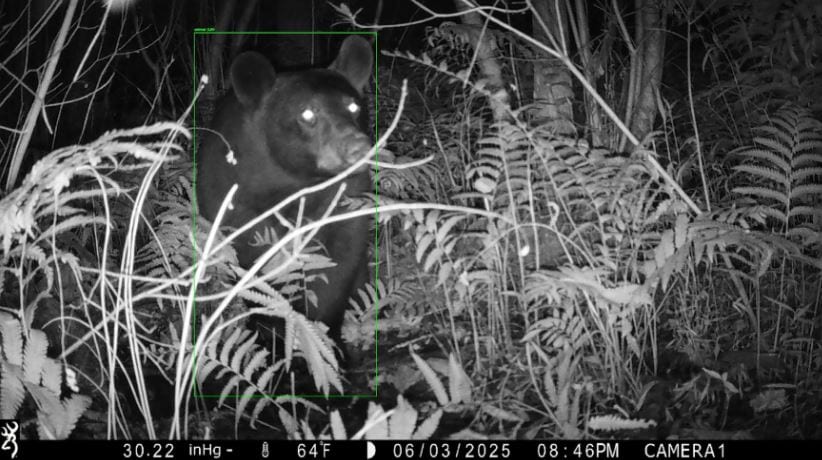
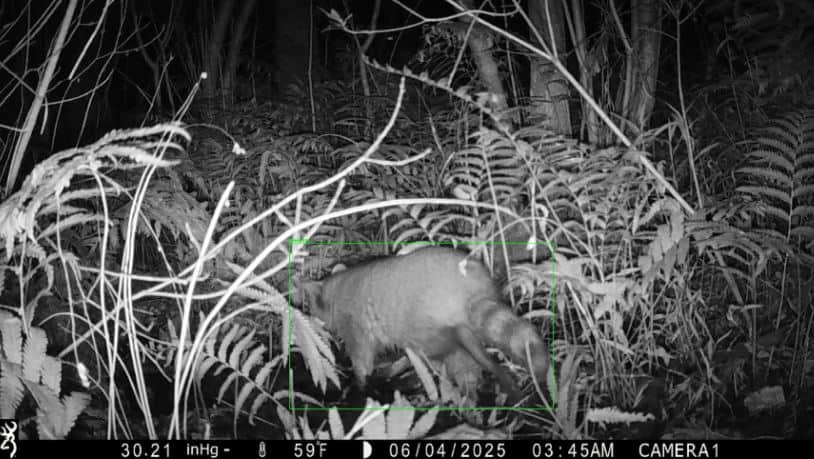
This work is vital as ghost forests spread and the balance between marsh and forest evolves. Learning how mammals respond to these new environmental conditions will guide conservation and management efforts to protect these resilient creatures. We’re excited to keep expanding the survey and see what conclusions we can draw from the data!
Chilean Dolphins: discovering their behavior 🐬
By Margherita Silvestri
PhD Candidate, Newsletter Coordinator
07/03/2025
My name is Margherita, and I’m a PhD candidate at Universidad Austral de Chile. I’m excited to share a short part of the story of my research on one of Chile’s most extraordinary, yet little-know, marine inhabitants: the Chilean dolphin.
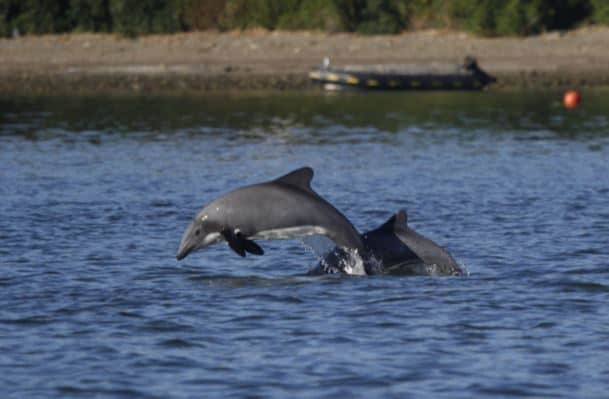
Deep in the pristine fjords of Chilean Patagonia lives a remarkable marine mammal that exists nowhere else on Earth. The Chilean dolphin (Cephalorhynchus eutropia), one of the world’s smallest dolphins.
Chilean dolphins are classified as near threatened by the IUCN Red List with just a few thousand individuals estimated in the wild. This low number could make them highly vulnerable to environmental degradations like for example Chile’s rapidly expanding salmon farming industry (see figure below).
When I first arrived in Chile, I began living in Corral Bay (Northern Patagonia, map below), where Chilean dolphins are present but had never been systematically studied. Local fishermen and residents called them “tonina”—the dolphins of their coast. This sparked my curiosity to investigate fundamental questions: When do these dolphins enter the bay? What behaviors are they exhibiting? Which type of vocalizations they produce? How do they interact with human activities? Together with my laboratory team, I have started a research project to unlock the secrets of Chilean dolphin behavior.


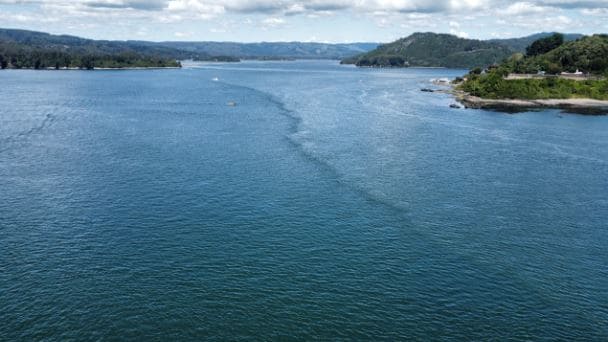
Our findings revealed a marked seasonality in Chilean dolphin presence throughout the year, with summer periods representing peak abundance. During these warmer months, the animals formed larger groups with a higher proportion of calves—a critical discovery that identified Corral Bay as a potential important nursery area for this population. The dolphins showed a strong preference for the deep zone of the bay, where the two main rivers converge. This pattern likely reflects the formation of tidal fronts in this area (picture below), characterized by varying water densities and temperatures that concentrate fish—the dolphins’ primary food source. However, this preferred habitat coincides with the main navigation channel used by large vessels, highlighting potential conservation concerns that need further work.
Stay tuned for more updates on our ongoing research into one of Chile’s most enigmatic marine coastal species, and the conservation efforts needed to ensure their survival in an increasingly human-dominated seascape.
Cameroon’s Hammerheads: A Conservation Lifeline 🦈
By Wongibe Poupezo Dieudonne

Along Cameroon’s vibrant coastline, the ocean’s rhythm and the energy of local fishing markets first inspired my passion for marine biology. From childhood, I was captivated by ocean life, but also troubled by how few people shared this love or recognized the threats facing our fragile marine ecosystems. My commitment to conservation was sealed the day I saw a scalloped hammerhead shark caught as bycatch in Limbe, a moment that changed my life.
In January 2025, we launched a vital project to protect scalloped hammerhead sharks, which are highly vulnerable to bycatch and pollution in Cameroon’s coastal waters. Our mission began by listening to local fishing communities. Through detailed surveys in villages like Manoka and Idenau, we’re learning about fishing practices, shark encounters, and the challenges fishers face. This isn’t just data collection, it’s about understanding their traditions and the support they need to adopt sustainable practices. We’re also studying market dynamics in Limbe, Douala, and Kribi, assessing how much shark and ray meat is sold and the economic pressures driving these catches. These insights are crucial for developing alternative livelihoods and reducing the incentive to catch endangered sharks.


To deepen our understanding, we’re collecting tissue samples from scalloped hammerheads to study bycatch impacts and pollution. At the same time, we’re empowering communities through “Good Fishing Practices” workshops, interactive sessions where fishers learn practical techniques to reduce bycatch and share their own experiences. Together, we’re co-creating solutions that work for both people and sharks.
This journey is just beginning. Sharks are essential for healthy oceans, and their conservation is key to a sustainable future for Cameroon. We invite you to follow our progress, support our work, and help protect these magnificent creatures for generations to come.

Bahia Grande: Location Matters!
By Sonia Duran
NOAA Center for Coastal & Marine Ecosystems-II (CCME-II) Graduate Scholar at the University of Texas Rio Grande Valley
04/31/2025

In last month’s newsletter, we were introduced to the Bahia Grande, a large, relatively
protected coastal basin in far south Texas. It is situated in the Lower Rio Grande Valley
(called “the Valley”), one of Texas’ most ecologically diverse regions and a place where
coastal fisheries and ecotourism contribute hundreds of millions of dollars to the Valley’s
economy each year 1,2 . This unique region, however, is exposed to stresses from several
large-scale industrial activities. Commercial agriculture, wind farming, rocket launches
at the nearby SpaceX facility, and the ongoing construction of a liquified natural gas
(LNG) pipeline adjacent to the Refuge are all leaving their marks in the Valley (Figure
1).
How do these forces impact the ecology of Bahia Grande? In truth, the answer to that
question is yet unknown. That is because since 2005, long before some of these
industrial activities began, the research has been focused primarily on long-term
ecological monitoring, including monthly water testing to measure trends in salinity,
dissolved oxygen, and other water quality parameters. Although research concentrated
specifically on modern industrial impacts to Bahia Grande is not complete, we do know
how a few key engineering ventures starting as long as 150 years ago impacted its
ecology (Figure 2). In the coming months, we will begin to learn how past anthropogenic
activities resulted in catastrophic outcomes for the ecological systems of Bahia Grande.

1 Woosnam, K.W., Dudensing, R.M., Hanselka, D., and Aleshinloye, K. (April 2012). Economic impact of nature tourism on the Rio Grande Valley: considering peak and off-peak visitation for 2011. Report prepared for the South Texas Nature Marketing Coop by: Department of Recreation, Park & Tourism Sciences and Department of Agricultural Economics.
2 Ropicki, A., Hanselka, D., Dudensing, R., and Reisinger, T. (2016). “The Economic Impacts of Recreational Fishing in the Lower Laguna Madre Bay System.” Texas A&M AgriLife Extension Service/Texas Sea Grant.
An Introduction to the Bahia Grande: What Happens When Thousands of Acres of Coastal Wetland Disappear?
By Sonia Duran
03/31/2025
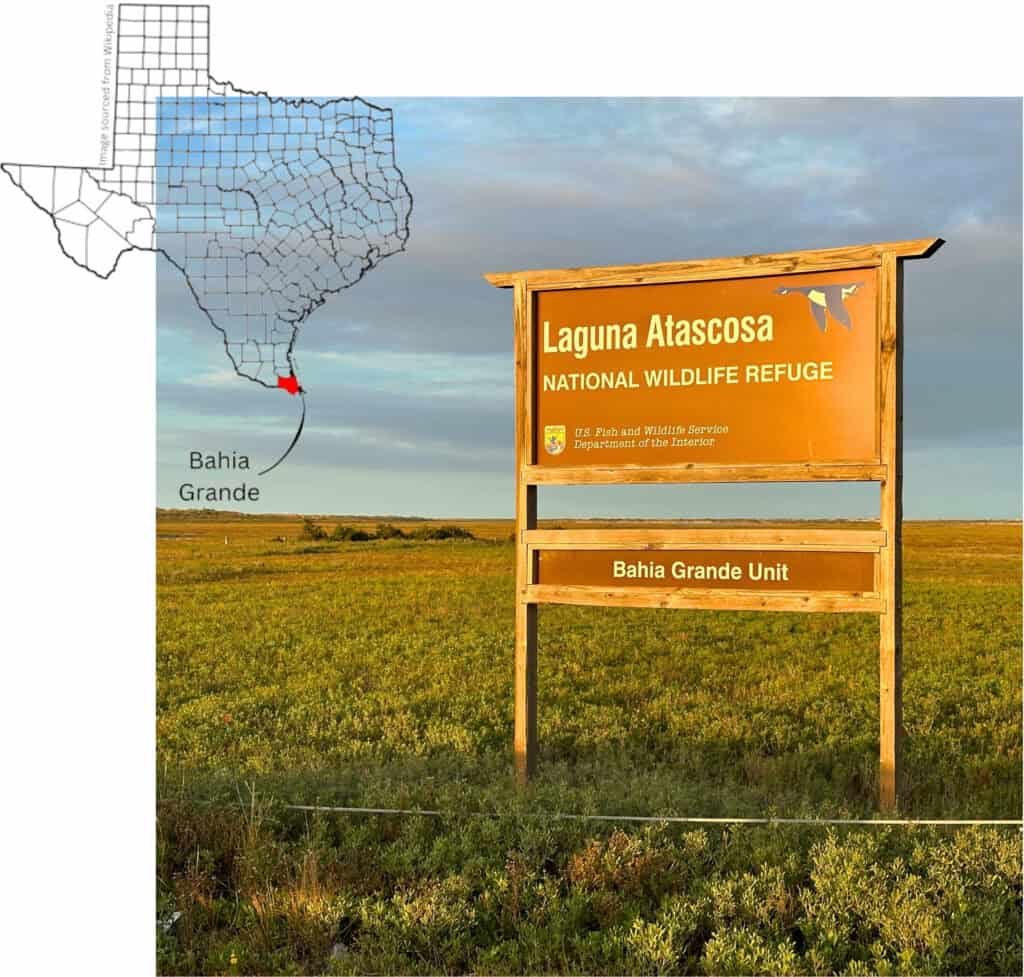
Nestled in the ecologically diverse Lower Rio Grande Valley of southern Cameron County, Texas is a 6,500-acre coastal basin called Bahia Grande (“great bay”). Situated near the US-Mexico border on the Bahia Grande Unit of the Laguna Atascosa National Wildlife Refuge, it is the primary focus of one of the largest modern coastal wetland restoration projects in the United States. This large basin once had liberal connectivity to the Gulf of Mexico via a network of natural channels and ponds, but several large-scale anthropogenic activities began disrupting this connectivity more than a century ago.
By the 1930s, the basin had dried up entirely. As a consequence, intense coastal winds routinely gusted thousands of acres of exposed sediments from the basin floor, and a >70-year spell of agonizing impacts to the surrounding communities was initiated. Not only were hazardous blackout conditions a regular occurrence on roadways, but ventilation systems in buildings, ecosystem health, and human health were negatively impacted. What exactly led to the occurrence of such extreme conditions, and what could be done to alleviate them? By 2005, the communities had suffered enough, and the process of refilling the basin commenced. It was then that the greatest part of the Bahia Grande’s story began. Next month, we will dive into the remarkable restoration history of this truly unique coastal site.

