



Share this article
Wildlife Featured in this article
- Rocky Mountain elk
Food, cover and corn drive elk movement in Nebraska
Elk have returned to Nebraska but we’re only now discovering how they move through its patchwork of prairie and corn
Elk had been extirpated from Nebraska since the 1800s before they began to reclaim parts of their historical range in the 1960s. But the landscape had changed greatly due to human activities in their absence, and ecologists still don’t have a good grasp on how elk use the land that they have returned to.
Numbers have increased in the past seven decades—elk likely now number up to a few thousand in Nebraska. Recently, in a state dominated by farmland and fragmented habitat, researchers have set out to learn when, where, why and if Rocky Mountain elk (Cervus canadensis) move in Nebraska. The answers could help wildlife managers navigate the growing tension between public admiration for elk and frustration over the damage they can cause.
“In some cases, it appeared that completely different groups of elk occupied natural and agricultural spaces, when in reality it was often the same elk that had moved a considerable distance,” said Tabitha Hughes, a PhD student at the University of Nebraska-Lincoln.
Lead author Hughes and her colleagues tracked more than 150 elk with GPS collars in their research recently published in Biological Conservation.
It’s unclear how elk used to move through the landscape before their extirpation in the 1800s. But since their return to Nebraska, the study revealed that some elk tend to seasonally shift between wild and agricultural areas, drawn by natural and agricultural food. In areas with more vegetative cover and more cornfields, elk used smaller home ranges. The tracked ungulates moved greater distances to access areas with substantial cropland when calving and in the fall.
This fixation with crops has led to human-wildlife conflict, as elk can damage crops. The large animals can also tear down fences during their movements across the landscape.
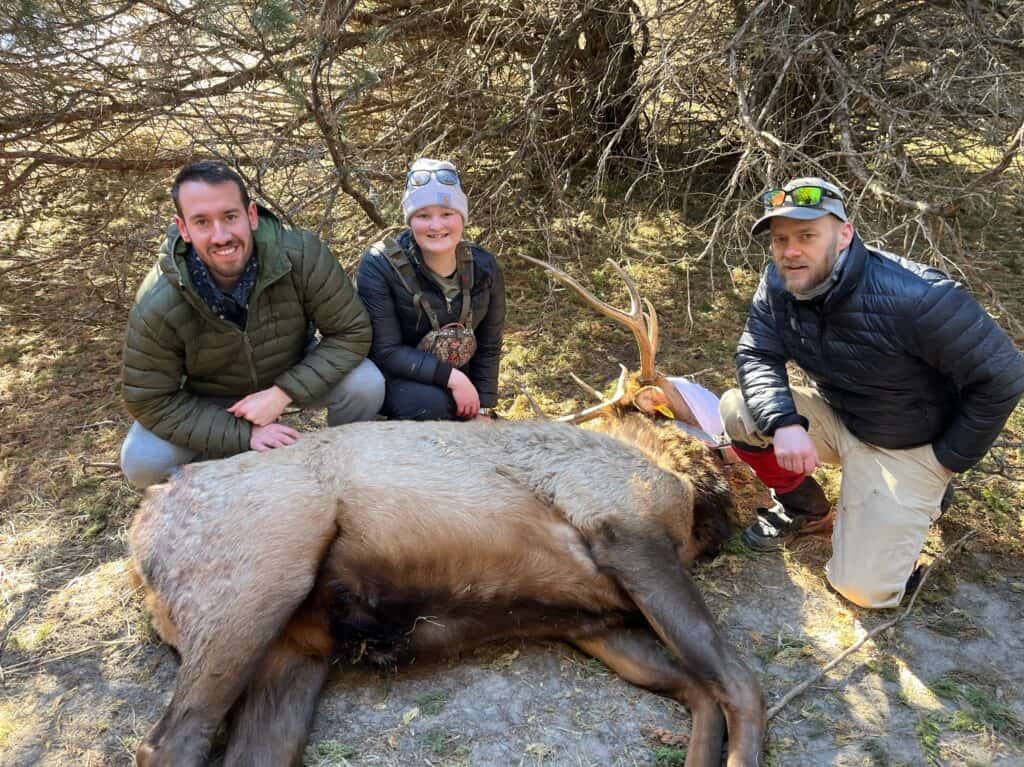
But hunters—the main elk management tool in Nebraska—highly value elk. Hughes and her collaborators’ research suggests that increasing natural forage may help keep elk local and that increasing the habitat that produces food naturally could be an alternative management strategy, reducing seasonal movements of elk into cropland.
This research fills a key gap in understanding of the spatial ecology of elk in agriculture-dominated landscapes and offers critical guidance for wildlife managers tasked with balancing public interest, hunting opportunities, and growing concerns over crop damage.
“The better we understand these animals, the better equipped wildlife biologists will be to manage elk populations for the public to enjoy,” Hughes said.

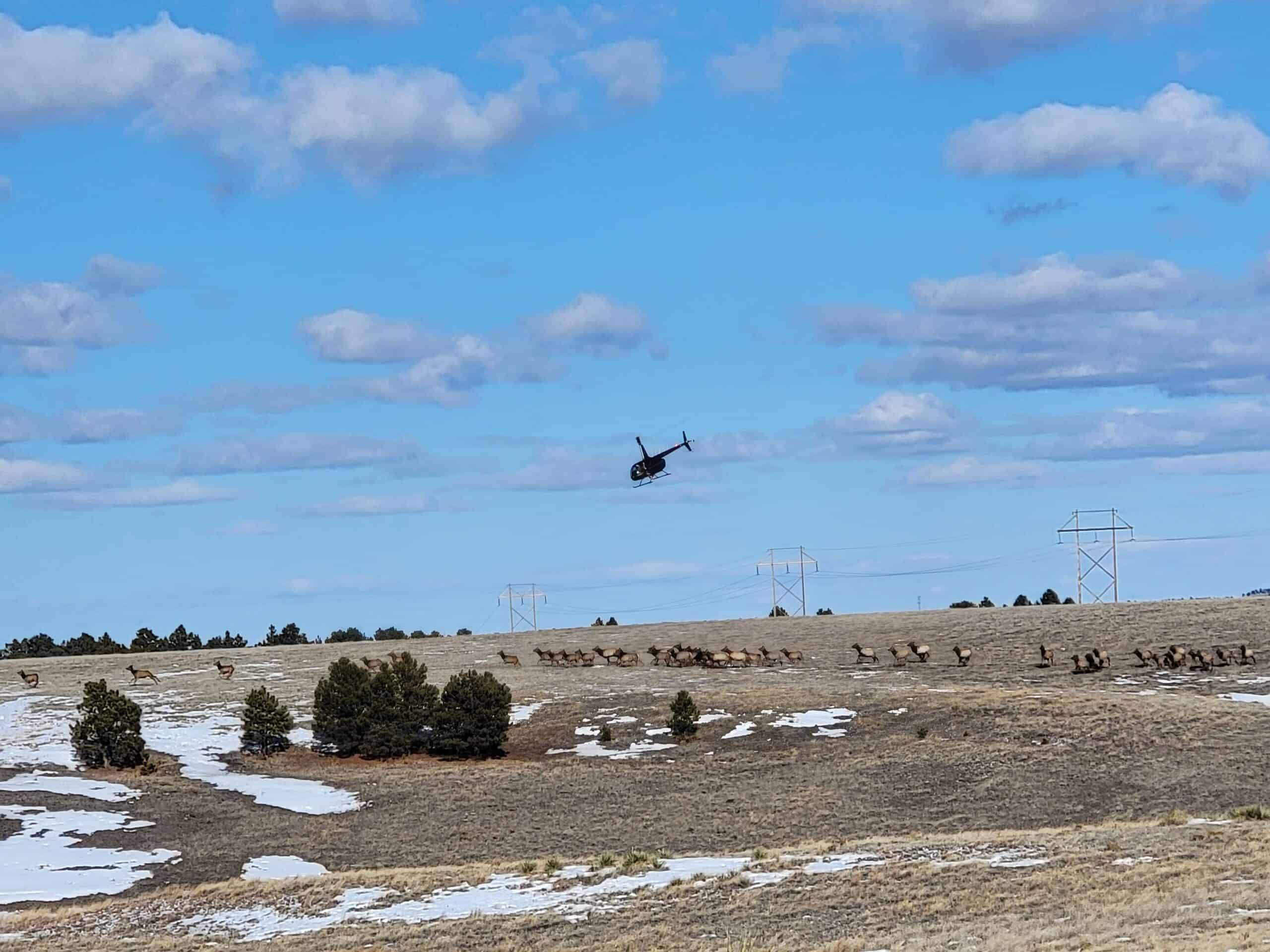
Header Image: A helicopter flies in the tagging crew to collar Rocky Mountain elk. Credit: John Benson
Related Posts

LISTEN: How to stalk a predator
How does a lifetime of research lay the foundation for what we know about the world’s top predators?

Are ocelots and opossums in cahoots?
Scientists document first-ever associations between ocelots and opossums
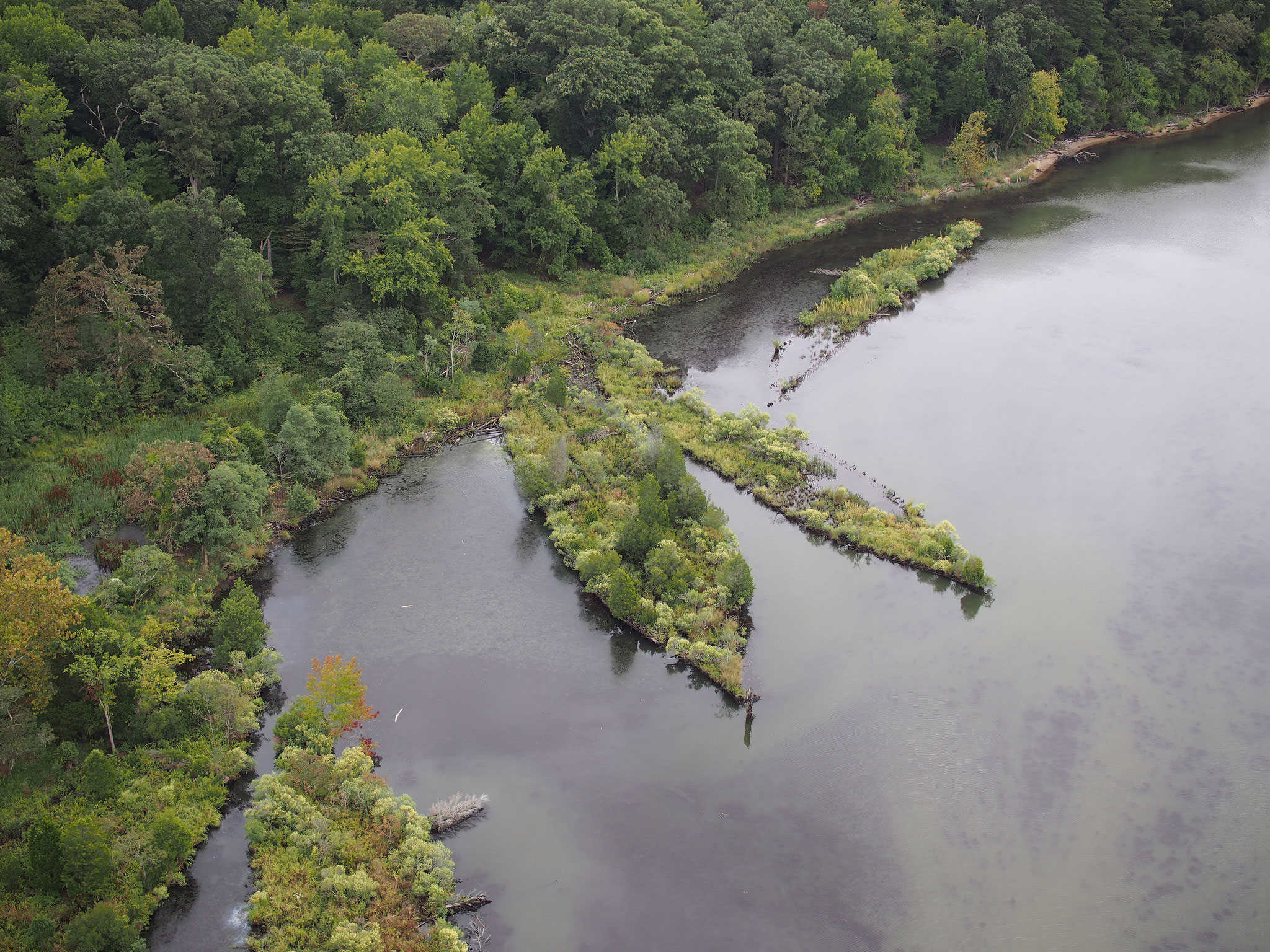
Dozens of sunken WWI ships are homes for wildlife
After nearly 100 years, nature has reclaimed warships abandoned in the Potomac